AI Watermarking Is Becoming the Industry Standard—Here's What That Means for Your Brand's Content Strategy
Watermarking alone won't shield your brand from regulators or skeptical audiences.
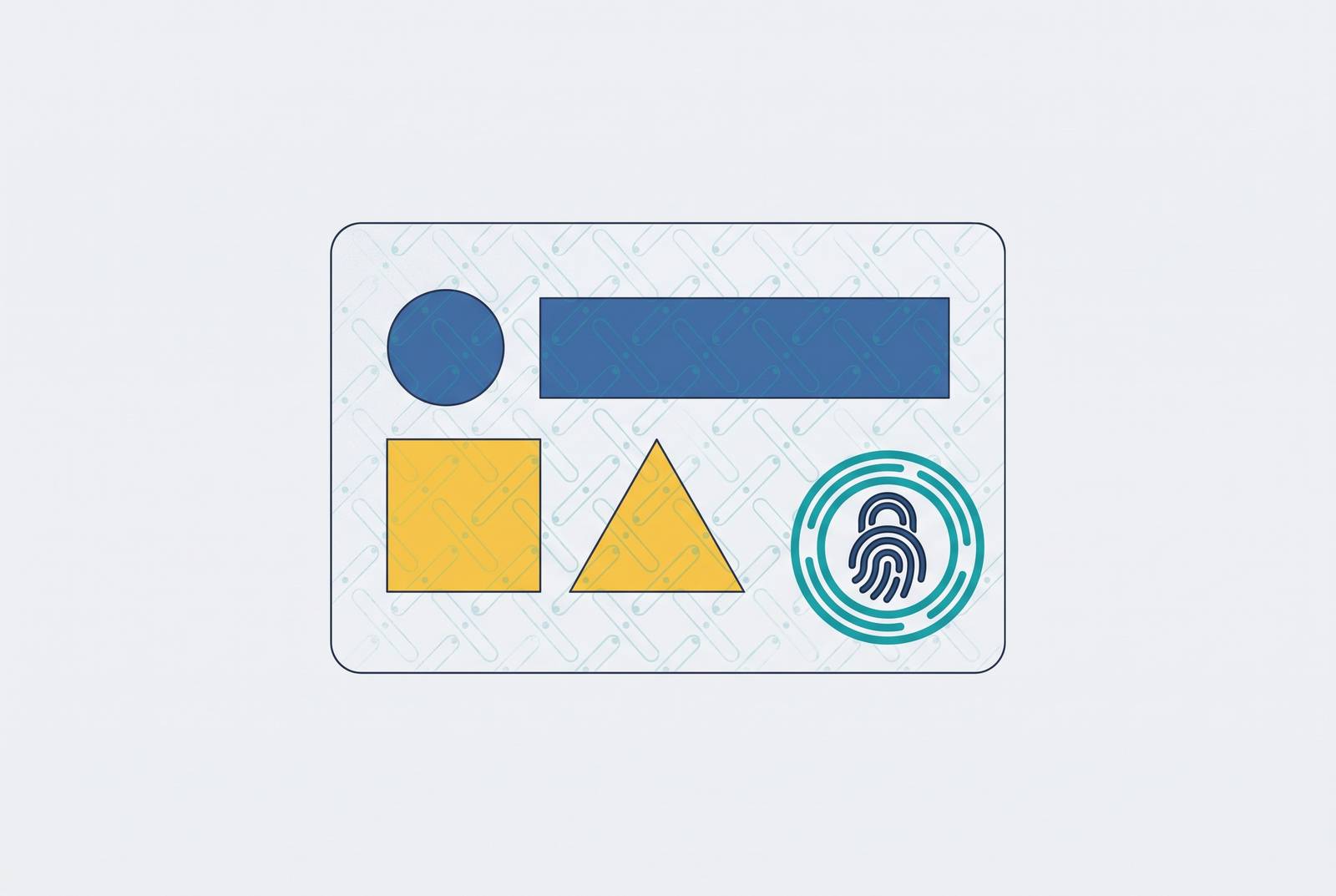
Two methods carry most of the weight right now, and neither one covers for the other. Invisible watermarks, the kind Google's SynthID uses, embed data at the pixel level, spread across the whole image. That approach survives cropping, compression, and color grading; detectability holds around 95-99% after typical edits. But there's a catch nobody advertises: reading the mark requires the originating platform's own algorithm. Nobody's built a universal reader, so a mark from one company's tool is often invisible to everyone else's system.
C2PA credentials take the opposite approach. Think of it as a nutrition label stapled to the file: a signed record of where the media came from and what's been done to it since. C2PA 2.1 became ISO/IEC 22144 in 2025, which sounds like the standard finally has teeth. It does, on paper. But metadata is brittle in a way pixels aren't. Convert the file, upload it to the wrong platform, and the label falls off; nothing malicious has to happen, the format just doesn't carry it through.
So which one should a brand trust? That's the actual finding here, not a hedge: on its own, either method leaves gaps the other one fills. Microsoft's own February 2026 report said as much: watermarking and credentialing only work as a pair, catching different failure modes. Even paired, they don't reach the open-weight models. Anyone running a Llama or Stable Diffusion fork can recompile it without the watermark baked in at all. That gap is the biggest hole in the entire system, and it's not one any single company can patch.
The regulatory map brands need to understand now
Three regimes are landing inside the same twelve months, and they don't line up neatly.
The EU AI Act's Article 50 requires machine-readable AI labeling, with full obligations arriving August 2026 and penalties running up to €15 million. California's SB 942 takes effect January 2026, months ahead of the EU's deadline. Some jurisdictions outside the EU and U.S. have moved even earlier, adding further pressure on brands operating across markets.
Notice the order: China first, then California, then the EU. A brand building for "compliance" as some future checkpoint is already behind the earliest of these three, and the requirements aren't identical to each other. Meeting Article 50 doesn't automatically satisfy SB 942.
Where the ecosystem has already landed (what platforms and hardware now do by default)
The infrastructure question got answered faster than most brands noticed. Major platforms including OpenAI have moved toward embedding C2PA Content Credentials alongside invisible watermarking, converging on a dual-track provenance norm. Platforms including TikTok have moved to read those credentials on the way in.
The broader direction is toward provenance attached at the point of capture, ahead of any later editing step. Google's SynthID alone has labeled more than 100 billion images and videos, and TikTok has tagged over 1.3 billion videos with provenance data. Whatever a brand's internal policy says about watermarking, the platforms it publishes to have already decided the default.
Why the trust dimension matters as much as the legal one for brand content
Here's the part the compliance conversation tends to skip: audiences have started assuming manipulation unless proven otherwise. That's a real shift in how content gets read, and it happened faster than the regulations did.
A brand that can't show its work is exposed twice over. Legally, sure, in whichever jurisdiction is watching. But also in front of anyone scrolling past who's already primed to distrust an unlabeled image. One might argue the legal risk is the sharper one, since it comes with a fine attached. But trust doesn't send a notice before it erodes; a brand only finds out it's lost credibility once engagement quietly drops, and there's no appeal process for that.
What these standards actually require of a brand content workflow
Strip this down to what actually needs doing, because the standards themselves are less about paperwork than about tracking:
Audit every tool in the pipeline for its watermarking status; some embed credentials by default, some don't, and a brand needs to know which is which before publishing, not after a regulator asks. Check whether the upload pipeline strips metadata, because plenty of them do, silently, during format conversion. Log which model made which asset, and keep that log somewhere that survives a platform migration.
None of that is complicated in isolation. It's tedious across a hundred assets a week, which is exactly why it gets skipped.
Building a content operation that treats provenance as standard practice
Retrofitting this later costs more than building it in now, and that math doesn't get better with time. The regulatory deadlines are fixed points; the volume of content a brand produces between now and August 2026 is not going to shrink to make catching up easier.
Platforms like Letterstory, which combine publishing and monitoring, track that metadata as content moves through the pipeline, without stacking on manual steps nobody has time to run. The alternative is doing it by hand, asset by asset, until the backlog makes that impossible. Provenance either becomes routine now, or it becomes a fire drill in about a year. Those are the two options on the table.