Anthropic's AI Watermark Is Already Sparking a Backlash—Here's What It Means for Content Marketers
Anthropic's watermark forces content teams to disclose AI involvement or face detection.
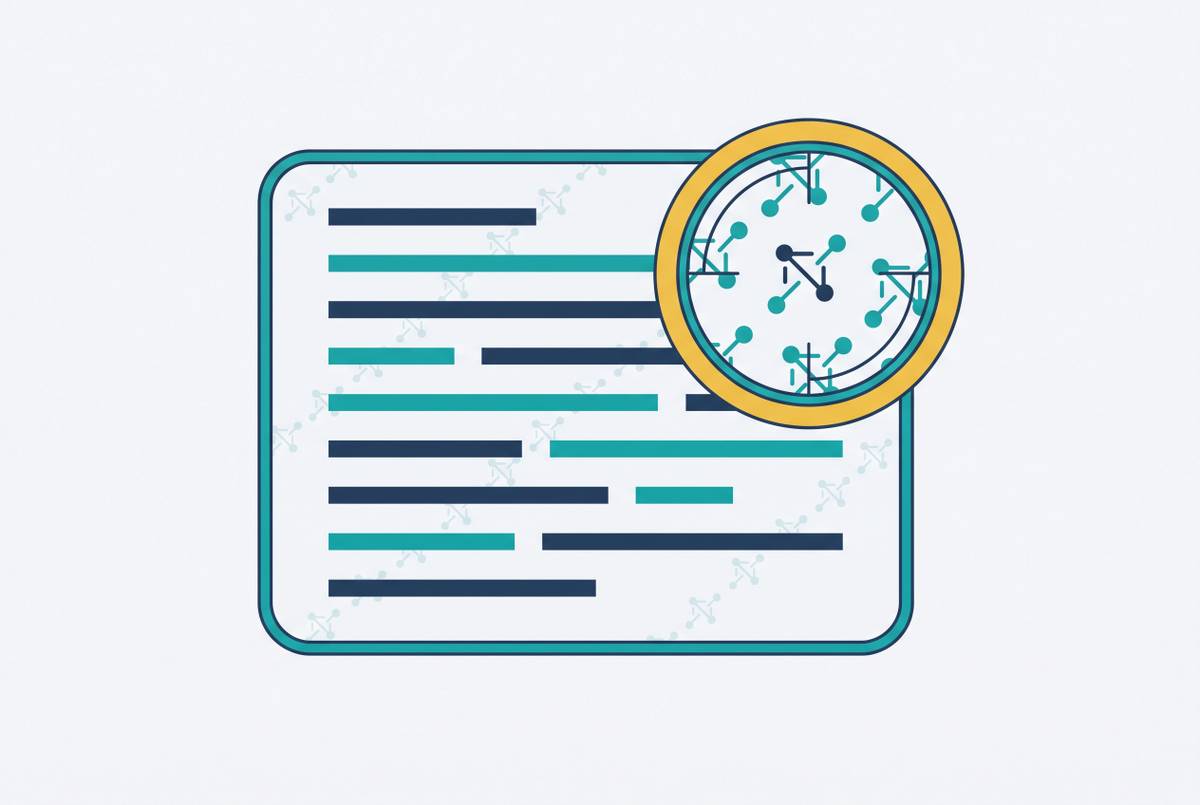
Anthropic's SynthID-Text watermark ships in every Claude output, across every plan tier, with no opt-out. A secret key tilts Claude's word choices between equally good alternatives, producing a statistical pattern invisible to human readers. The watermark lives in the word-choice distribution itself, not in any metadata tag.
Signal strength varies with content type. Longer prose accumulates the pattern across more decisions and produces the clearest signal; factual passages, code, and short lists generate weaker signal because fewer interchangeable word choices exist. Light edits leave the pattern mostly intact, but heavy paraphrase degrades it.
The Real Limits of the Watermark: What It Cannot Do and Where It Breaks
Anthropic frames this plainly: the watermark answers a probability question about Claude's involvement. It cannot confirm human or non-human authorship, and it cannot identify a different AI model.
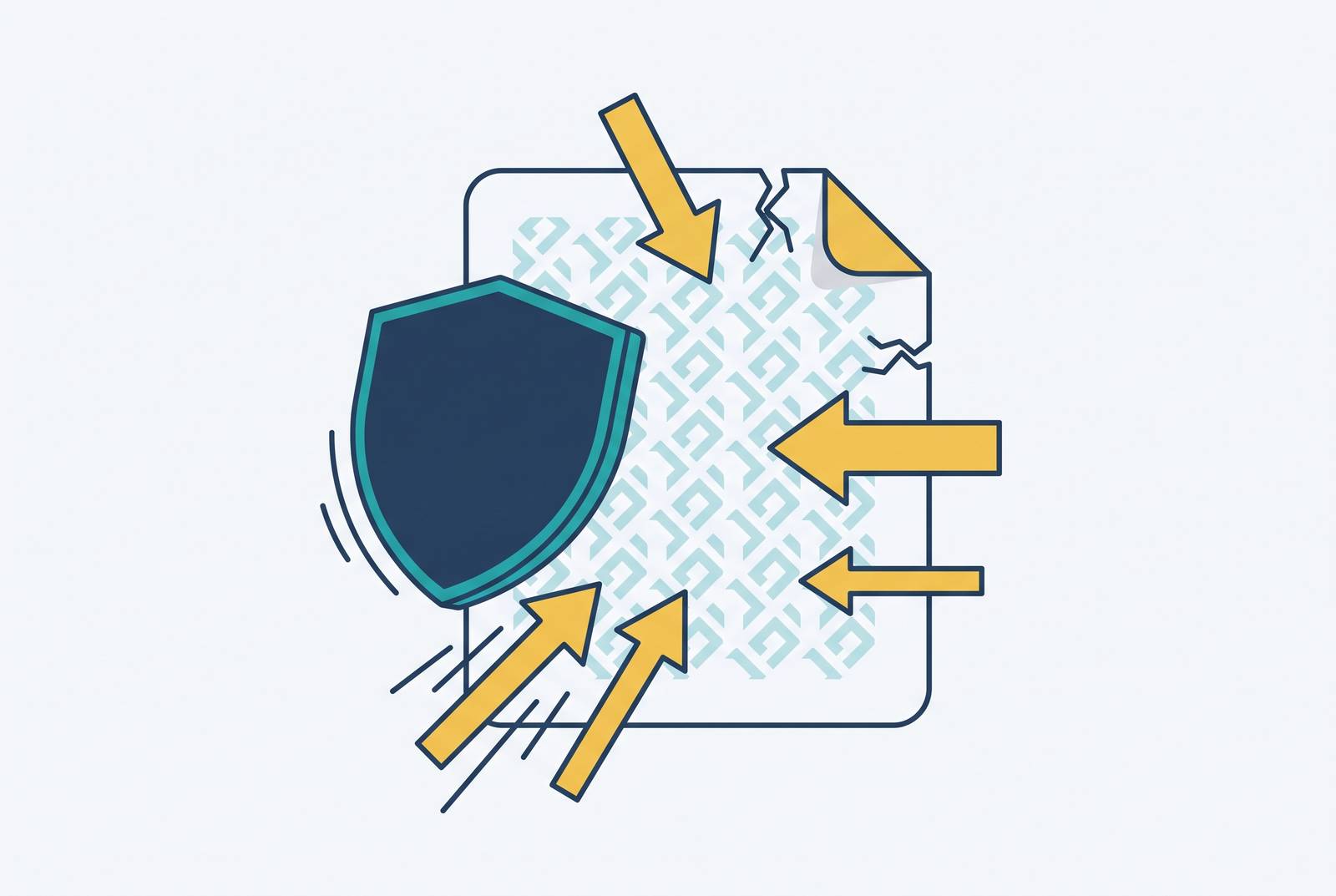
Translation degrades detectability, and so does thorough rewriting. Research published on arXiv in 2025 found that paraphrasing, copy-paste modifications, and back-translation all erode watermark confidence enough that the authors proposed a hybrid detection framework to recover anything close to reliable accuracy.
Why the False-Positive Problem Is the Central Risk for Content Teams
A Claude mark on a document does not mean the document is AI-generated; it means Claude was involved somewhere in its production. That distinction matters enormously in practice.
Consider two common workflows: a human drafts a report and asks Claude to restructure the argument, or a human-written article runs through Claude for translation. Both produce a detectable mark. Both involve substantive human authorship. Most downstream interpretations will still be binary, "AI" or "not AI," even though the underlying signal is only a confidence score.
Where the Watermark Actually Shows Up in Content Marketing Distribution
Executive bylines carry the highest practical exposure. Any reader, journalist, or competitor can paste a LinkedIn post into a public detector and receive a confidence score instantly. Press releases going to outlets with explicit no-AI policies create real compliance risk, and watermark detection makes enforcement trivial for editors.
Substack, C2PA, and the Platform Layer Already Forming Around Detection
Substack launched AI-detection powered by Pangram in mid-2026, giving subscribers a tool to scan any post for a breakdown of AI-generated, AI-assisted, or human-written content. CEO Chris Best coined "Claudefishing" to name the gap between assumed and actual authorship. The C2PA standard now counts over 6,000 member organizations, with adoption across OpenAI, Adobe, Microsoft, TikTok, and Meta, though C2PA metadata strips out easily via screenshot or file conversion.
The Consumer Sentiment Shift That Makes Watermarking Land Harder Than It Otherwise Would
Audiences are already tracking AI involvement in the content they consume. Audiences are already primed to penalize brands they feel deceived them, and a positive detection result gets believed before any denial reaches them.
What Content Teams Should Actually Change in Their Workflows Right Now
Separate Claude use cases by exposure level:
- High exposure: executive bylines, press releases going to outlets with AI-disclosure policies, thought leadership published under a human name on platforms running detection
- Medium exposure: long-form blog content, white papers, content under contractual human-written guarantees
- Lower exposure: email drafts, internal documents, SEO content where Google's policy remains unchanged
Workflows where humans draft and Claude polishes carry lower exposure than the reverse, a structure that platforms like Letterstory, which keeps human editors in the loop alongside AI agents, are built around by design. Disclosure decisions made now are difficult to reverse once Anthropic's detection API goes public and plugs into the platform layer already forming around it.