AI Watermarks Are Already in Your Published Content—But Nobody Has a Way to Read Them Yet
Watermarks embedded in AI content are invisible to everyone but the labs that created them.
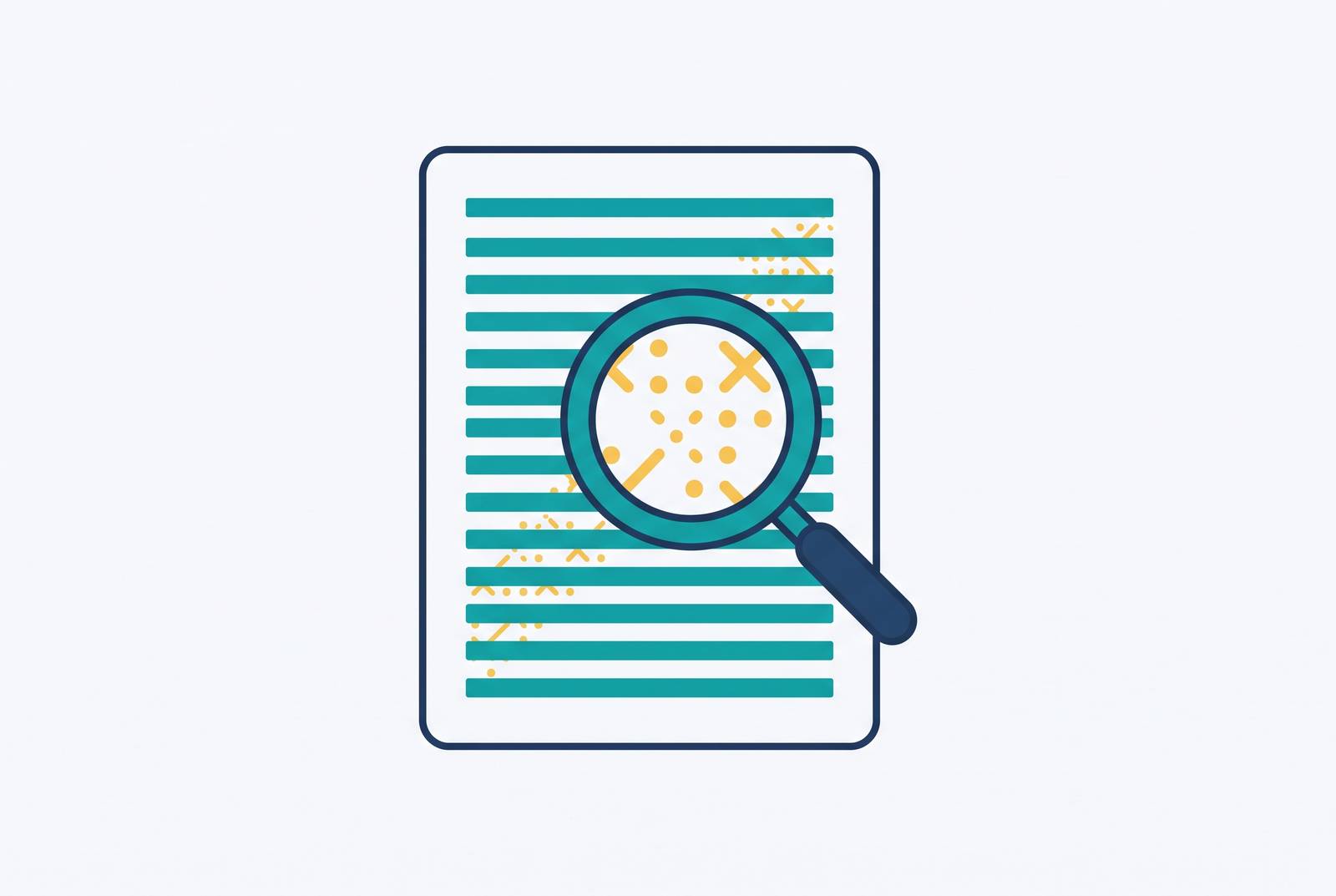
A watermark gets baked in the moment content gets made, not stapled on after. In text, the model nudges word choices into a pattern that's statistically detectable but invisible to a reader. In images and video, pixel-level noise gets added at creation, built to survive cropping and compression. In audio, it's woven into the waveform itself.
Here's the part most people get backwards: a watermark tells the reader nothing. Detecting one requires a matching detector, built and held by whoever embedded the mark. That signal survives a republish, a format change, a social upload, and stays invisible to everyone except the one lab holding the key. C2PA Content Credentials work on a different premise entirely: metadata bolted onto a file rather than burned into the content. Treat these two systems as interchangeable and you've already misjudged what either one can prove.
Who is marking content, model by model
Google's SynthID covers image, video, audio, and text, with an open-sourced text version and a public detector portal. Anthropic embeds a statistical watermark in every Claude text output, no opt-out. OpenAI watermarks images and audio but has held off on text, citing robustness concerns. Four labs, four incompatible schemes, and a hole sitting exactly where fabrication does the most damage: text.
Why C2PA content credentials are not the safety net they appear to be
C2PA got pitched as a nutrition label for media. It fails constantly: a format conversion can strip it off without anyone trying. SynthID reportedly survives re-encoding; C2PA can vanish after one upload. Worse, the metadata can be stripped or corrupted without any warning to the checker. A credential system that validates a revoked certificate is telling a checker "trust this" about a file it should be flagging instead. That's not a minor bug. That's the entire premise failing at the one moment it's supposed to hold.
The structural access problem, marks exist, readers don't
SynthID Detector is a voluntary portal, not an API. Claude's detector sits in private preview, open to regulators and researchers, not the publisher deciding whether to run a story. Meta shares nothing. No standard lets a platform check one file against every lab's scheme at once. A clean scan from one detector says nothing about another model's output. The mark exists and stays unreadable to the one person who actually needs it.
How robustness attacks complicate the already limited detection picture
Text watermarks face removal vulnerabilities that image watermarks are better equipped to withstand; SynthID's has reportedly resisted removal attempts. So the format least equipped to prove itself, text, happens to be the easiest one to scrub. That's backwards from what a trust system needs.
What brands publishing AI-assisted content are actually operating inside
Content teams often can't verify what marks their own published work carries. Platforms that manage AI-assisted drafting through publication, such as Letterstory, sit inside that same opacity: they can invoke watermarking, but reading it back depends on infrastructure they don't control. Chasing detector access means chasing a target that moves with each lab's next update. Documented human judgment behind the work holds up regardless of which detector goes dark next, and that's worth more than any mark no one can read.