Anthropic's AI Watermark Detection API Is Coming — Here's What Content Teams Should Do in the Meantime
Prepare disclosure practices now before Claude's detection API arrives this August.
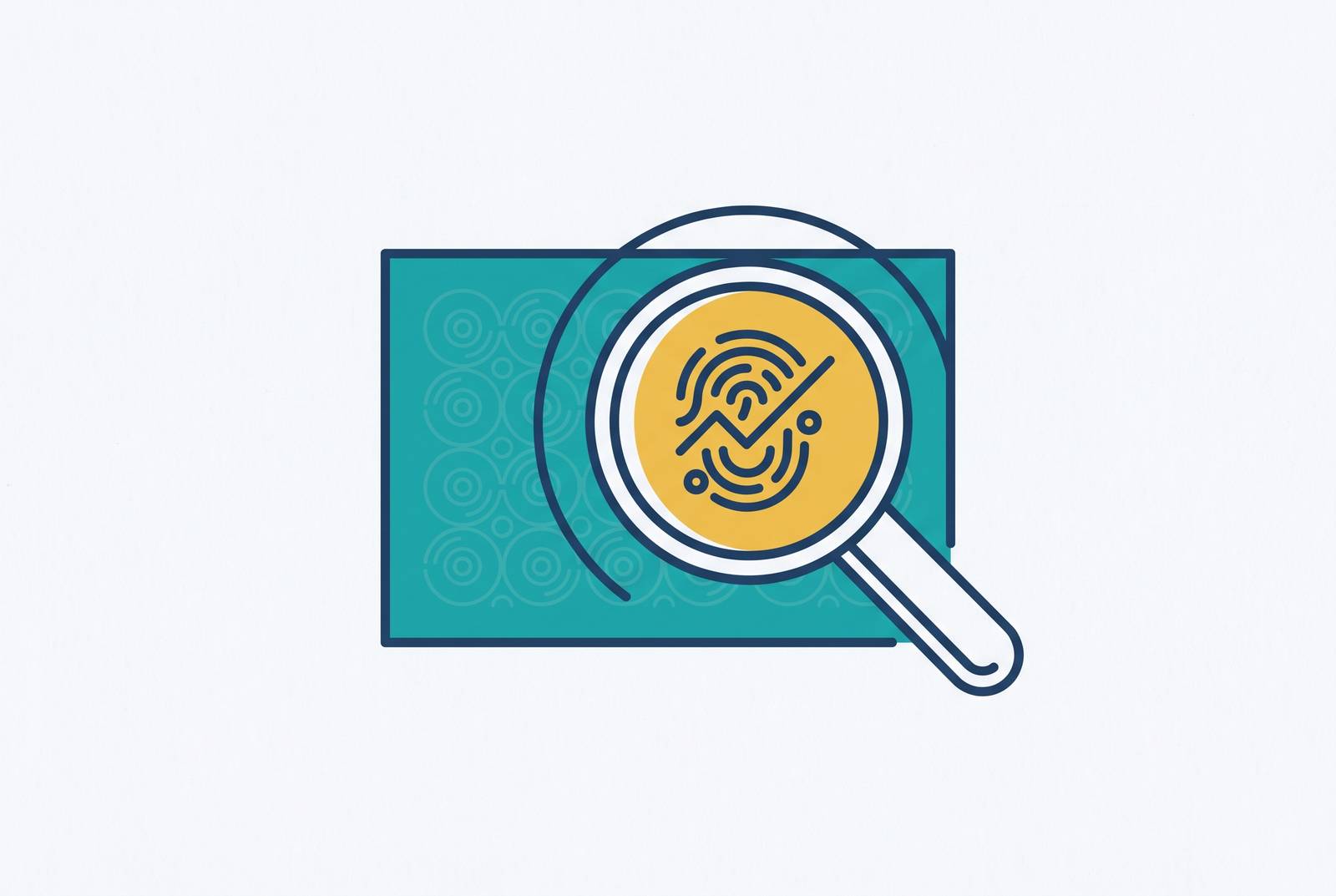
Anthropic starts embedding invisible watermarks in every new Claude model's output on August 2, 2026. Compatible files get cryptographic provenance stitched in too, but the detection API that actually reads any of this back hasn't shipped. That gap between marking the content and being able to check it is what content teams need to sort out now.
How the watermarking technology works, and what it can and cannot prove
The text method builds on Google DeepMind's SynthID Text. It nudges word-choice randomness just enough to leave a statistical trace, without touching tone or quality. It's a zero-bit watermark, registering presence or absence only, and it carries no information about who wrote what, and none about how much of a piece the model actually generated.
File watermarking rides on C2PA, layered metadata rather than anything baked into the content itself. Once the API ships, expect a likelihood score rather than a verdict. It won't catch other AI models either, since every provider signs with its own keys. And it can't tell you whether Claude wrote a paragraph or just cleaned one up.
The real limitations content teams must factor in before they trust any detection signal
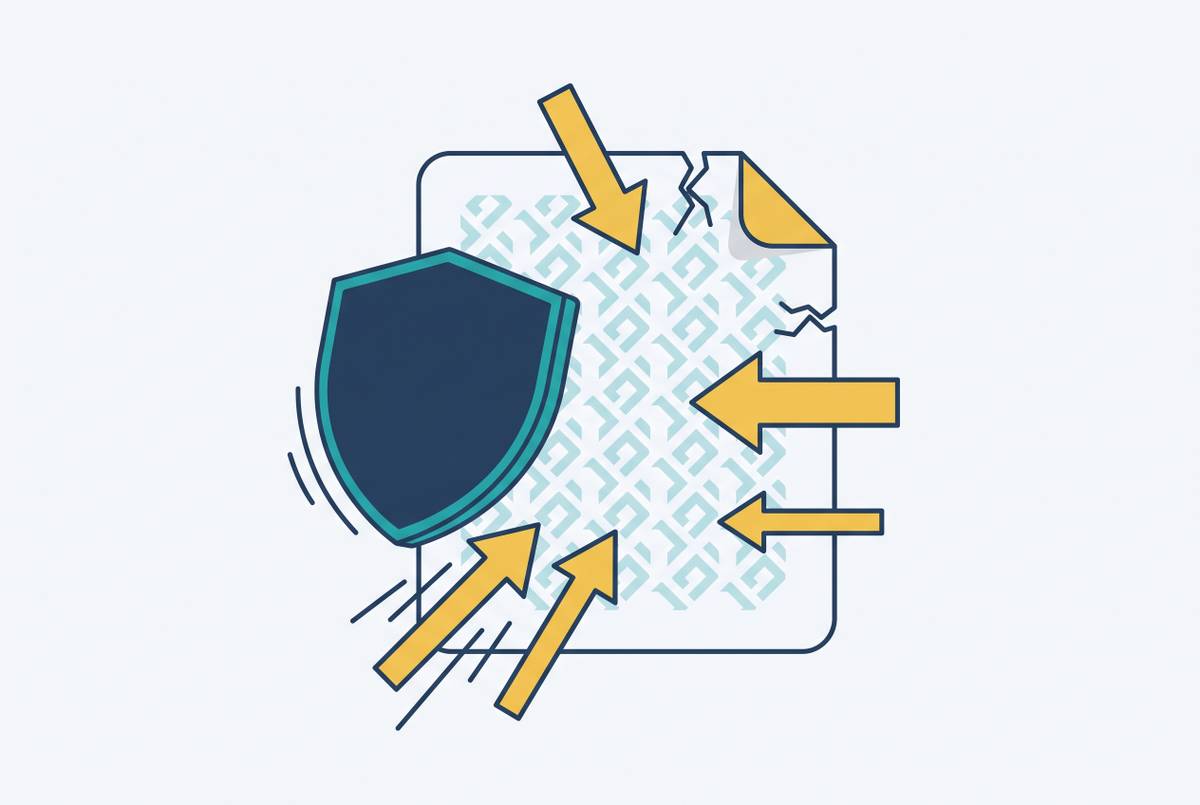
Light edits survive intact. Heavy rewriting, translation, or blending AI text with human copy wears the signal down fast, and short passages often don't carry enough of it to catch anything at all.
Factual writing is harder to mark too; there's less room to shuffle word choice without wrecking accuracy. Run Claude purely to proofread or translate human-written copy, and the detector can still flag it. That's worth sitting with for a second: the tool struggles to separate "AI wrote this" from "AI touched this."
Why this is happening now: the EU AI Act deadline that moved the whole industry
Article 50 of the EU AI Act kicks in August 2, 2026, requiring machine-readable disclosure on AI-generated content. Fines run up to 15 million euros or 3% of global turnover, whichever is bigger, and systems already on the market are given additional time to comply.
Anthropic didn't scope this to EU users only. It went global, a choice that reflects how the company builds products more broadly, beyond any regional compliance patch.
What third-party AI detectors can and cannot do while the API is pending
They don't hold Anthropic's keys, so they can't confirm a Claude watermark one way or the other. They're reading surface phrasing patterns, guessing at style rather than reading any embedded signal. A result from one of these tools functions as a hint, carrying limited weight as a finding.
Where C2PA provenance stands today and why metadata stripping is the main obstacle
C2PA already works for supported files where the standard is implemented. But metadata can be lost during upload and re-encoding, and a file missing credentials might just be unsigned.
The concrete interim practices content teams should put in place before the API ships
Build an inventory now: which tools, for what task, at what stage of drafting. Set disclosure thresholds internally, before the API forces the question on you from outside. Weigh every detection signal as a probability against editorial judgment, letting it inform the publish decision while stopping short of dictating it.
How to position the team for when the API does arrive
Document the workflow now, in full. The API will slot in later as one more check inside a system you already built. Platforms like Letterstory, which automates topic curation through publishing and monitoring, make that kind of workflow documentation easier to produce because the stages are already tracked.