Anthropic Is Watermarking Claude's Text—Here's What That Means for Brand Content Teams
Detection flags AI processing, not authorship, and won't stop determined editors.
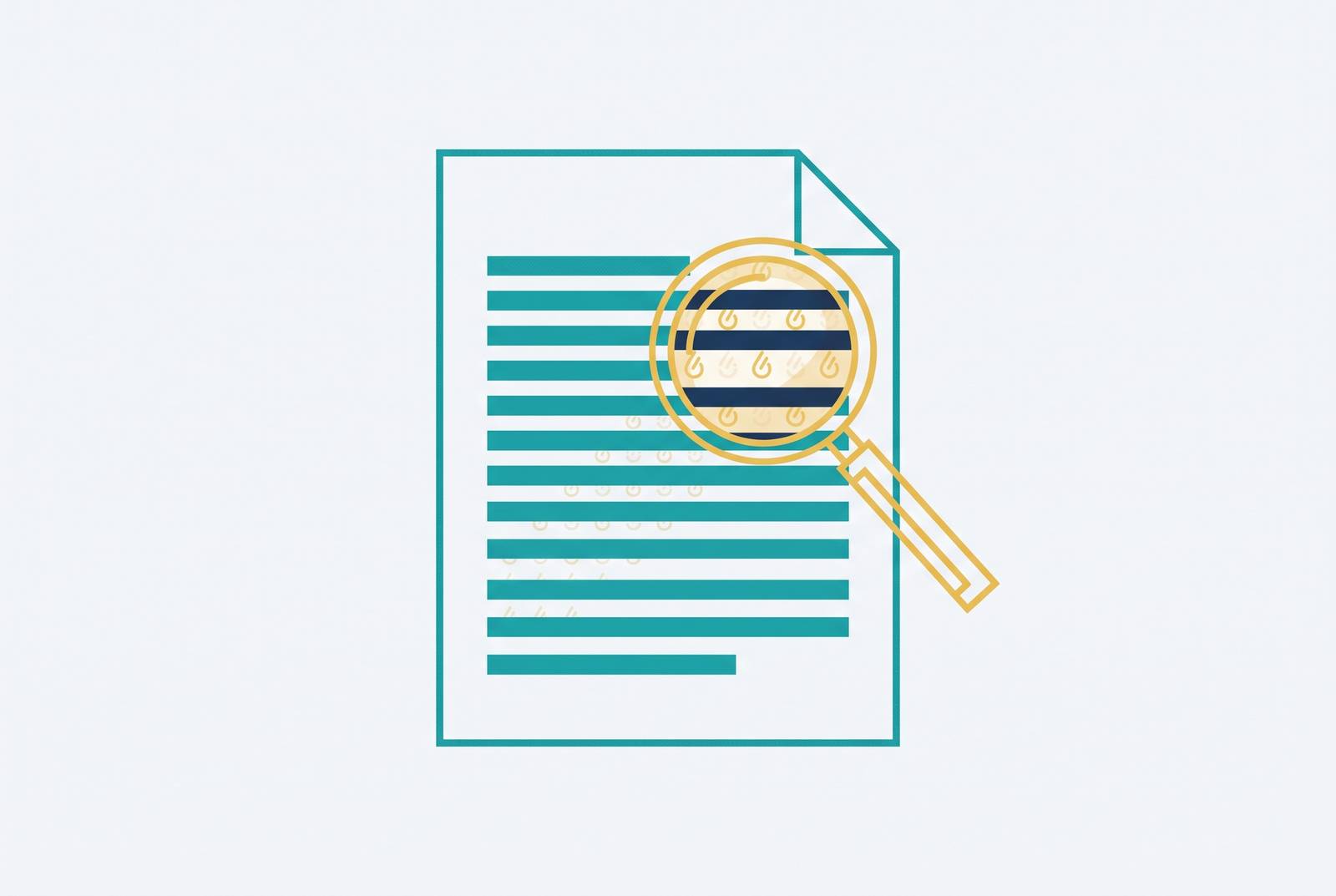
Anthropic's new Claude models embed a machine-readable watermark into everything they generate. I want to walk through what that actually means for anyone running content through the model, because "watermark" is doing a lot of work in that sentence, and most of what people assume about it is wrong.
How the watermark gets embedded in text
The method traces back to Google DeepMind's SynthID-Text. There's no hidden character and no visible tag involved. It works at the token level: when Claude has several reasonable next-word choices, a secret key combined with the preceding words nudges which one gets picked. One choice looks unremarkable on its own, but string a few hundred words together, and a statistical pattern shows up, one that detection tools can read without touching the model itself.
That pattern rides along with the word sequence, so it survives copy-paste and light editing. Images work differently, through C2PA metadata, a signed provenance standard. Two separate systems are solving the same disclosure problem in different ways, and a tool like Pangram, which hunts for stylistic tells, isn't playing the same game as watermark detection, which checks for a signature tied to a specific key.
What a detected watermark tells you, and what it doesn't
The mark signals processing, not authorship. Draft something yourself, run it through Claude for a proofread, and the output comes back marked. The same holds if you translate a paragraph or reformat a document.
Flip it around: genuinely Claude-written text can carry no mark at all. Maybe the model predates the rollout, maybe the passage got heavily paraphrased, maybe it's just too short to detect reliably. A hit is a flag, and a miss clears nothing. Anthropic hasn't published false-positive breakdowns, so there's no way for anyone outside the company to check who's getting flagged wrongly, or how often.
How well it holds up against real editing
Light touch-ups leave it intact, while a full rewrite kills it. The middle ground, moderate restructuring, added paragraphs, is murkier territory.
SynthID-Text research shows detection performance varies depending on how the text is modified after generation. One benchmark clocked an 85% true positive rate against a 73% baseline, at a 1% false positive rate. That's solid, but not bulletproof. The system is not bulletproof, and people are already looking for ways to push against it.
The fairness problem baked into detection
Detection leans on vocabulary range, sentence rhythm, syntactic variety. A Stanford study in Patterns found over half of essays by non-native English speakers got wrongly flagged by an AI detector. Different technology, same weak spot: writing that reads as statistically flat to an English-trained system risks scoring unevenly. Translated and localized content sits right in that blind spot, and nobody can check the damage until error rates get published by language.
Where regulation is headed next
EU AI Act Article 50 covers any generative tool used in the situations it names, marketing included, not just high-risk systems. Existing deferrals run into late 2026, and providers face a cross-platform detection interoperability deadline in early 2027. The industry is converging on watermarking requirements, just not evenly yet.
What disclosure looks like right now for content teams
Outlets are tightening AI policy fast. A bylined piece drafted in Claude, submitted to an outlet that bans AI work, is real exposure. So define your terms internally: does a grammar pass through Claude count as "AI-generated," or does authorship still belong to the human who wrote the draft? Decide that now, because disclosing early costs you almost nothing, while getting caught after publication costs a lot.
What to do before the detection API even exists
Map every place Claude touches your workflow, start to finish. Then write down, in plain language, the line between "Claude generated this" and "Claude touched this." Audit anything externally published or bylined first, since that's where exposure lives, and watch that 2027 interoperability deadline closely: once detection works across providers, a document's whole editing chain becomes traceable, and that rewrites what disclosure means for everyone still guessing today.