Claude's AI Watermark Triggers Even for Light Edits—What That Means for Your Content Disclosure Policy
Watermarks survive light edits, forcing teams to rethink disclosure rules.
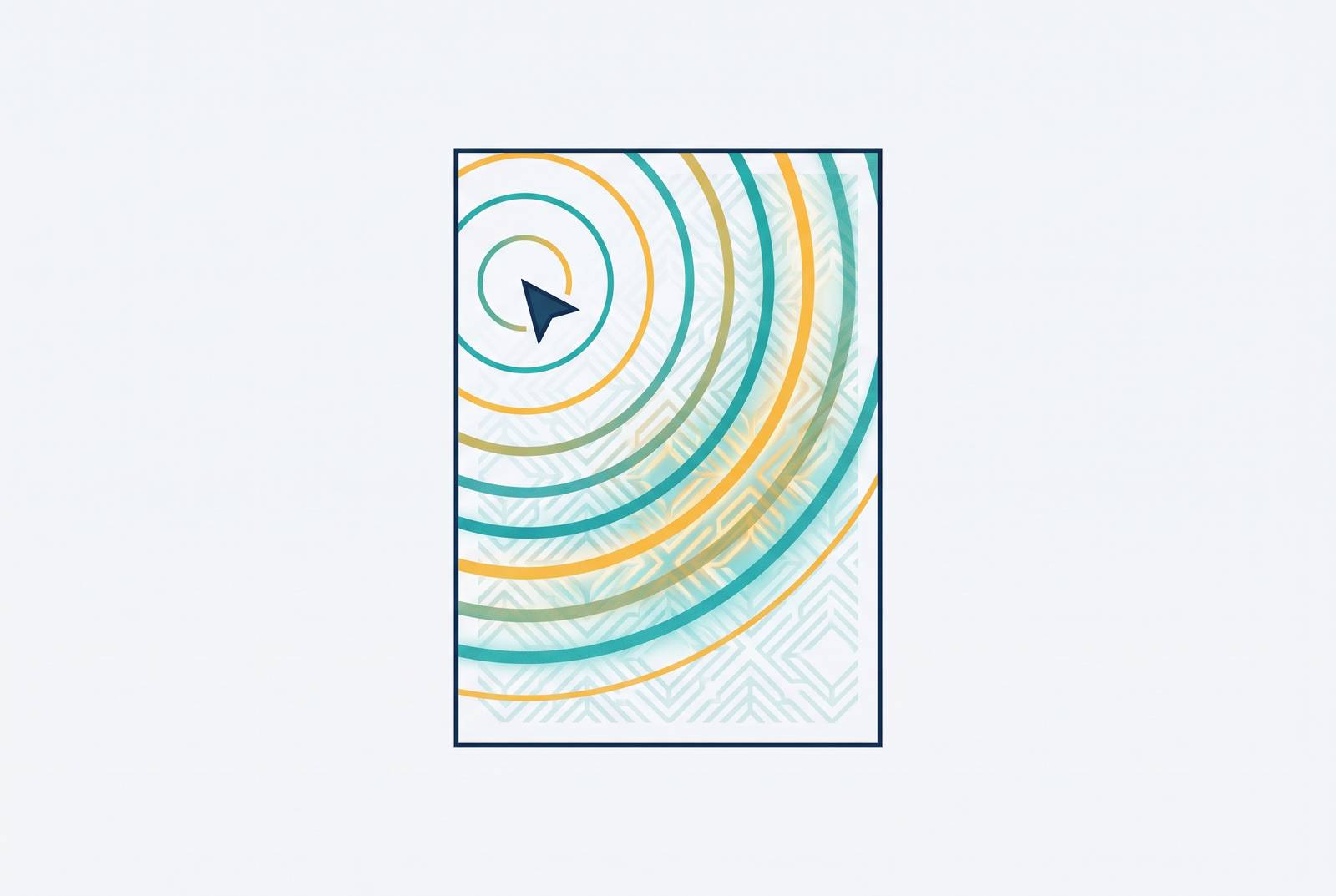
SynthID-Text is Google DeepMind's watermarking method, published in Nature in 2024. Anthropic shipped its equivalent for Claude on August 2, 2026, making it the first major frontier lab to deploy production-scale text watermarking across all its products at once. The mechanics matter and the confusion around them is already real.
How SynthID-Text actually embeds the watermark token by token
A secret key nudges word choices in small, statistically detectable ways as the model generates each token. No single word looks off, but string enough tokens together, and a pattern shows up, one a detector holding the key can spot. Code gets a partial pass, since you can't swap a required syntax term for a watermark-friendly synonym. Detection isn't a yes-or-no switch, either; a verifier spits out a likelihood score, so even a "positive" result is a probability, not proof.
Why revising Claude's output does not clear the watermark the way most marketers assume
Light editing leaves the mark, because the surviving tokens are still the model's picks. Full rewrites strip it out, though at that point the authorship question gets murky anyway, and intent never factors in either way. Proofreading barely touches word choice, so the mark might sit below threshold; translate that same draft, though, and the model picks every word, so the mark shows up in full even though the meaning is yours. A missing mark doesn't prove a human wrote it; detection just didn't clear the bar.
The detection gap, and what it means before a tool like this actually ships
No lab has published false-positive rates for public checking yet, and third-party detectors run on different signals entirely, so without the right key, their results say nothing. Stripping tools have already emerged in response: run text through a second model and you regenerate the token sequence clean. The whole setup mostly deters people who assume they'll get caught.
The regulatory patchwork that makes "just disclose it" more complicated than it sounds
EU AI Act Article 50 is why watermarking exists at all, with penalties up to 3% of global turnover. Meanwhile, a watermark can't tell a proofread from a full draft. The FTC wants disclosure too. None of these regulatory thresholds line up with each other, let alone with how token-level watermarking actually works.
Why the reaction from Claude subscribers reveals a real policy gap, not just a PR problem
People's reaction to the rollout is the tell. Writers have run on one informal rule for years: I edited it enough. A working watermark would make that rule visible and useless in the same breath, with no receipt and no appeal.
What a disclosure policy actually needs to account for now
Editing percentage is the wrong unit; a watermark tracks which words the model chose, not how much you changed after. Log AI use by task, since generation, translation, and proofreading carry different exposure. Keep "AI touched this" separate from "AI wrote this" in your own files, and don't treat a missing watermark as proof of human authorship.
How the watermark changes what "AI-assisted" means for content teams going forward
Once a frontier model carries a checkable record of its own involvement, editing percentage stops mattering. What matters is deciding how that involvement gets logged, before the model writes a word.