Which AI Models Watermark the Text They Write — and What It Means for Your Brand's Content
Google and Anthropic now watermark AI text; ChatGPT still doesn't.
I've spent the last few months tracking watermark rollouts the way some people track weather patterns, because for content teams, that's basically what this is now. Article 50 of the EU AI Act kicked in August 2, 2026, requiring machine-readable marks on AI-generated text, images, audio, and video. That deadline is why Google and Anthropic finally shipped watermarking features that had been sitting in research papers for years. About 190 organizations signed the voluntary EU code of practice in late July 2026; skip it and you're looking at fines up to €15 million or 3% of global turnover.
How text watermarking actually works, and what it can't do
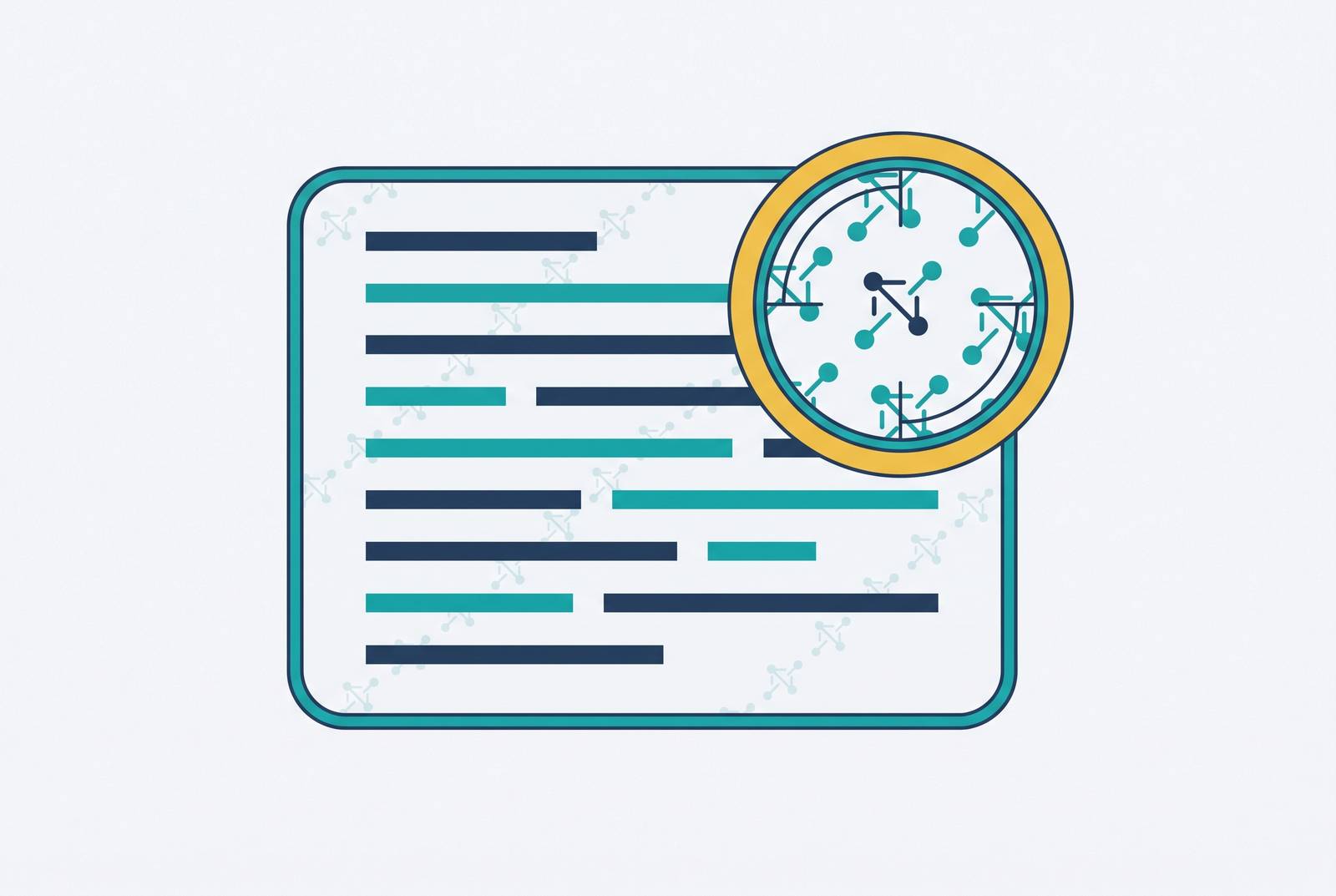
Most systems split a model's vocabulary into two buckets before it generates a single word: a "green" list of favored tokens, a "red" list it avoids. Detection counts how skewed a piece of text runs toward green words compared to chance. Simple idea, messy execution.
Detection returns a probability, not a verdict. Google and Anthropic both frame results as confidence ranges, sometimes just "uncertain." A clean scan doesn't prove a human wrote it; it means one specific model probably didn't, and it says nothing about who prompted it. Subject lines, captions, short blurbs? Often too few words for the math to work at all.
Google's SynthID: the widest reach, the only public detector
SynthID-Text is Google's production version of this method, open-sourced through Hugging Face and GitHub, with a public detector portal announced in 2025. A large-scale Gemini trial found no real quality drop between watermarked and plain output. But SynthID only flags Google's own text. Run a ChatGPT paragraph through it and you'll learn nothing.
Claude's watermark: mandatory, global, and locked
Anthropic switched on watermarking for new Claude models August 2, 2026, everywhere, not just the EU. It's built into the model itself, no toggle, covering the API, Claude Code, and partners like AWS and Google Cloud. Older models get retrofitted by December. Nobody outside Anthropic can verify any of it. No public detector exists yet.
ChatGPT's watermark: built, shelved, still missing
OpenAI claims 99.9% internal accuracy on a text watermarking tool it built and never released, citing circumvention risk as a concern. As of now, ChatGPT text carries nothing. OpenAI signed the EU code anyway. Feels like when, not if.
C2PA: a provenance record, not a watermark
C2PA embeds a metadata manifest, a chain of custody, rather than a signal buried in word choice. Solid for images and video. Text lags. Save a file through the wrong tool and the manifest vanishes silently. No manifest doesn't mean no AI; it just means the record's gone.
Why the signal degrades in real work
Translate a human press release through Claude and the output picks up a Claude watermark, since the model chose every word. Heavy editing, format conversion, screenshots, all of it dilutes the signal. Short copy, the format marketers lean on most, rarely carries enough tokens to detect at all.
What audiences do when they suspect AI
Preference for AI content dropped from 60% in November 2023 to 26% by July 2025. A 2026 survey found 69% trust AI content less, and 61% disengage once they suspect it. "AI-assisted" still beats "AI-generated" in the same data.
What this means for ownership and platforms
A watermark travels through copy-paste, syndication, licensing, white-label tools built on Claude's API. Brands reselling AI drafts are distributing marked text whether they say so or not. Undisclosed use is becoming something that surfaces later, not something you control.
What content teams should do now
Audit what's generating your copy, model by model. Build disclosure into the workflow before detection forces your hand. Letterstory, for instance, is an end-to-end content automation platform that tracks which AI agents touch a piece of content across the full lifecycle.