Microsoft Copilot as an AI Search Engine for B2B Buyers
B2B buyers now discover vendors inside Microsoft's apps before they open a browser.
Tunde Oyelaran
Contributing Editor
A former software engineer turned technical content strategist, Tunde writes about the infrastructure side of brand monitoring in AI systems, including self-hosted tracking stacks, bring-your-own-API-key setups, and the evolving role of structured data and llms.txt in making content legible to AI crawlers.
16 stories
B2B buyers now discover vendors inside Microsoft's apps before they open a browser.
Automated checks catch documentation drift so it ships accurate alongside code.
Marketing teams need both production speed and AI citation tracking to compete in answer engines.
Automated drafts from code changes let teams explain features before they fade from relevance.
Auditing your schema reveals why top-ranking pages still fail to appear in AI answers.
AI engines cite third-party sources, not brand websites, for credibility.
Marketing teams face real liability for AI content they post, not build.
Watermarking standards vary by country.
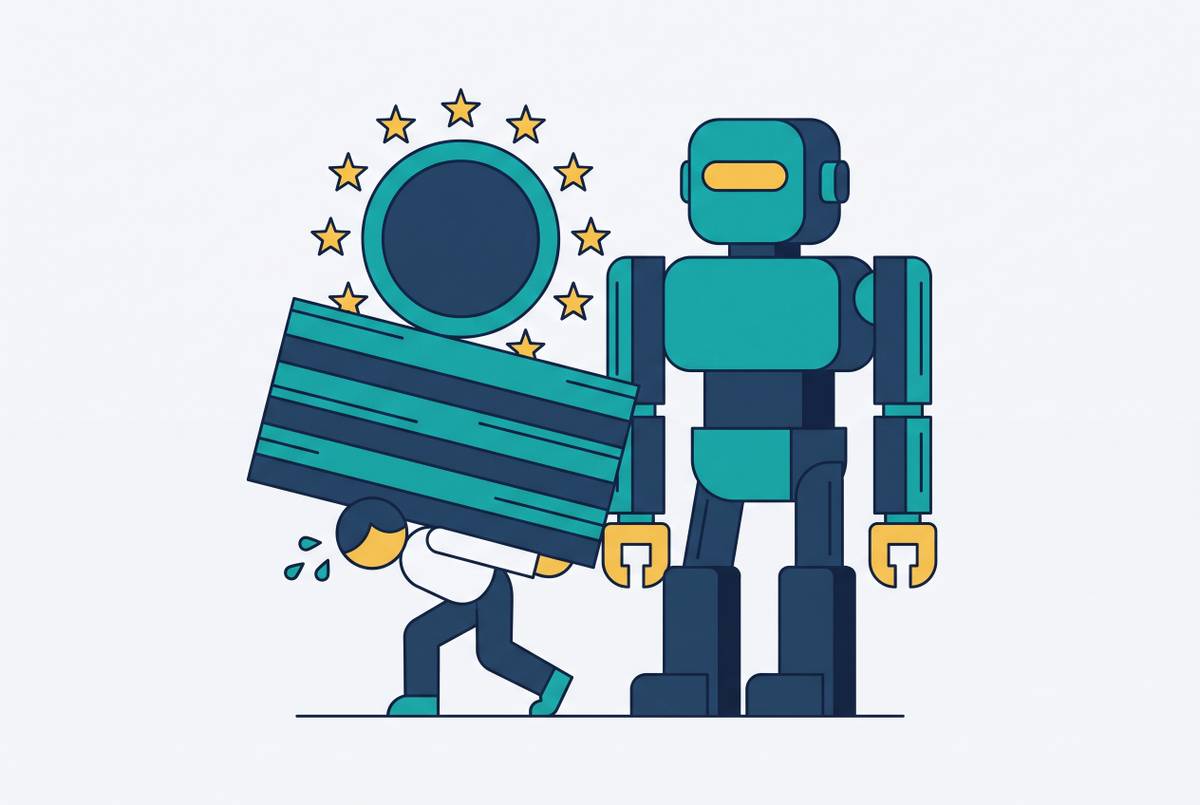
Content teams using Claude face EU compliance duties, not Anthropic.
Human editors can exempt AI-generated news content from disclosure if they formally approve it.
Anthropic's watermark flags AI-touched content, not just AI-written work.
Invisible watermarks in Claude text now carry legal weight for content marketers.
Claude's new watermark embeds invisibly in text to prove AI involvement.
AI engines now decide shortlists before buyers reach your website.
AI engines cite passages, not pages, so section length matters far more than word count.
AI chatbots now drive more B2B software buying decisions than vendor websites do.